Preserve visual identity
Give project photography enough prominence to communicate the design proposition.

Case study / Ecommerce & portfolio
A documented ecommerce phase that combined children’s interior-design projects, visual inspiration and product browsing within a more structured online experience.
01 / The brief
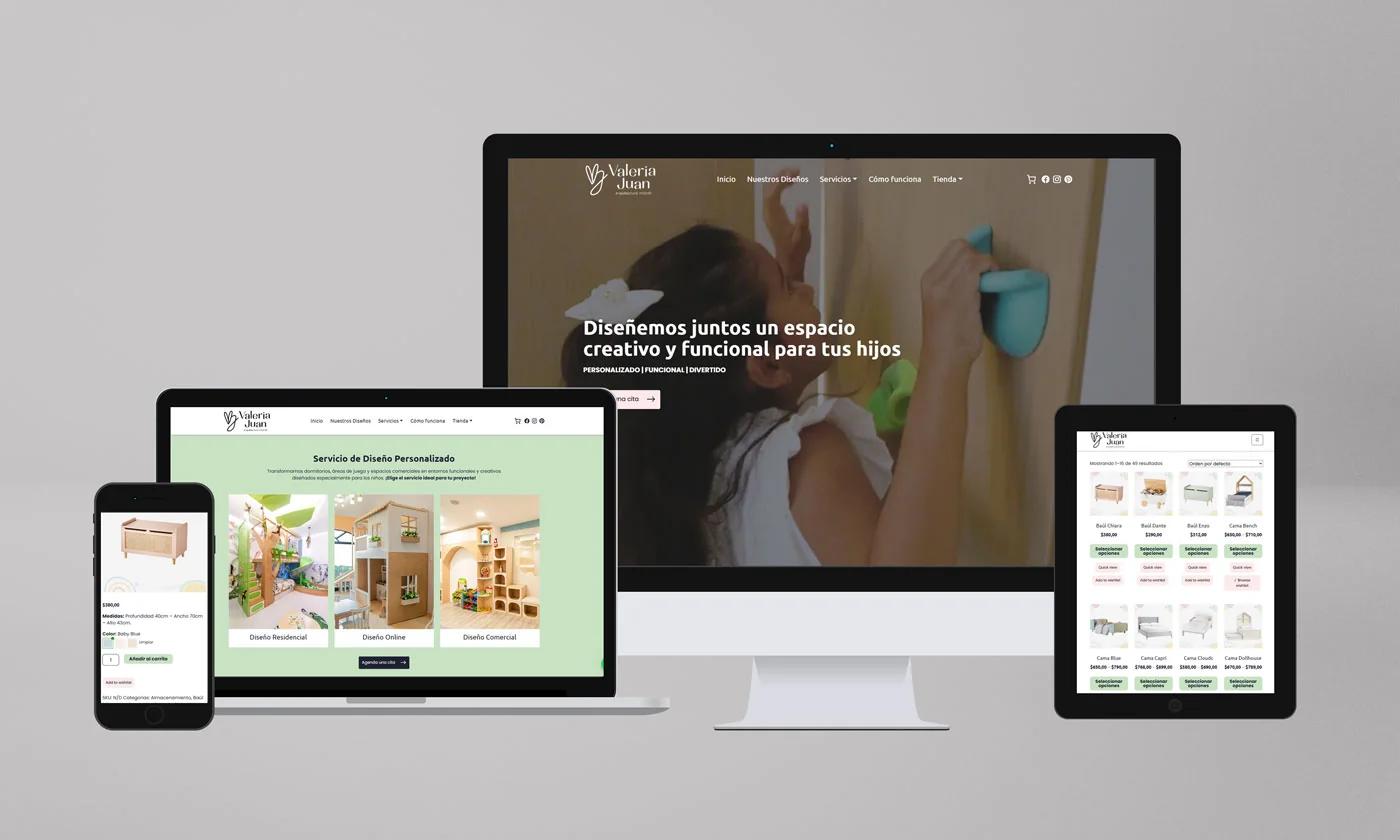
The original Valeria Juan Kids project documented an ecommerce and SEO phase for a children’s interior-design brand. The website brought together project imagery, product discovery and online purchasing.
The current live business has since evolved toward an architecture and project-portfolio presentation. This case therefore preserves the earlier ecommerce scope rather than implying that today’s site still follows the same model.
02 / The challenge
A design-led brand relies heavily on finished spaces and visual storytelling, while ecommerce requires structured product information, categories and purchase actions.
The challenge was to allow users to move from seeing an interior project to discovering relevant products without reducing the brand to a standard product grid.
Give project photography enough prominence to communicate the design proposition.
Organise ecommerce browsing and product details so purchase paths remain practical.
Use navigation and content relationships to bridge inspiration and product discovery.
03 / The experience
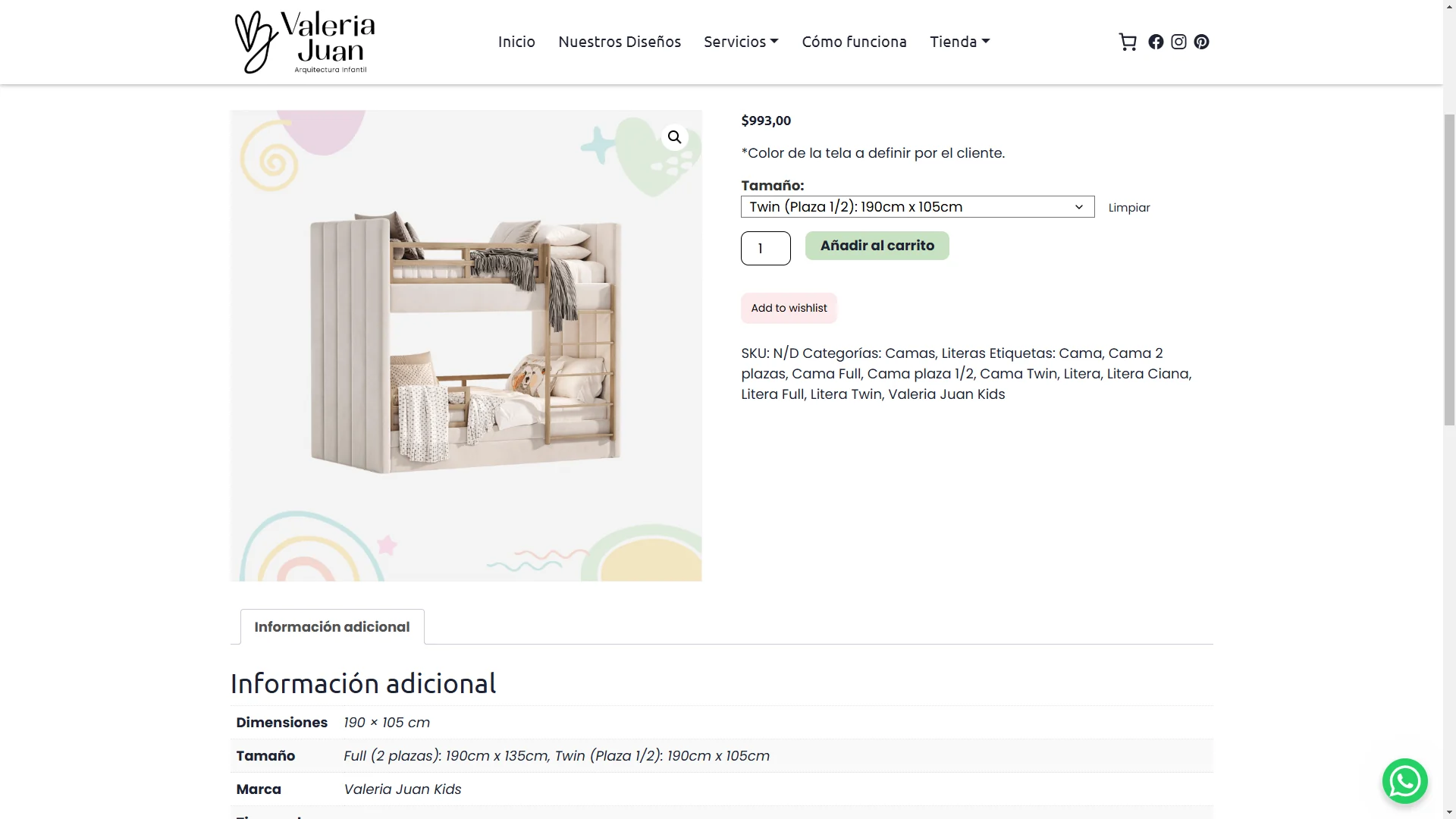
The documented ecommerce phase used the portfolio as a discovery layer rather than treating it as separate from the store.
Use completed interior work to establish aesthetic direction and create interest.
Connect visual inspiration with structured product information and relevant catalogue paths.
Support cart, enquiry or purchase actions once the user has enough product context.
04 / The implementation
The original case documents ecommerce functionality, secure payments, dynamic portfolio content and SEO work within one responsive website.
Because the live site has evolved into a different business presentation, the new Prysma case explicitly labels this as an earlier project phase and avoids using the current architecture as evidence of the old ecommerce implementation.
05 / Evidence
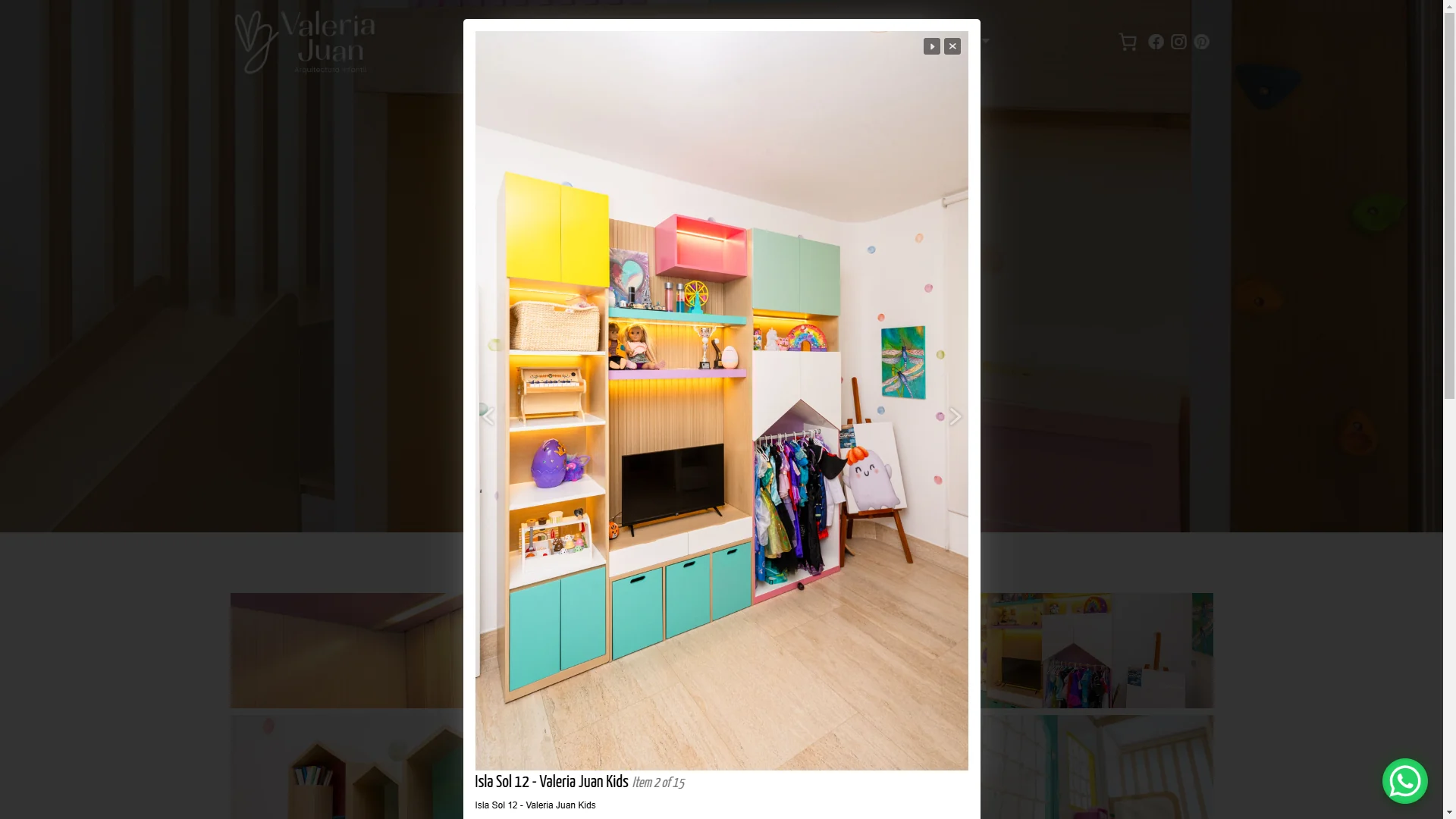
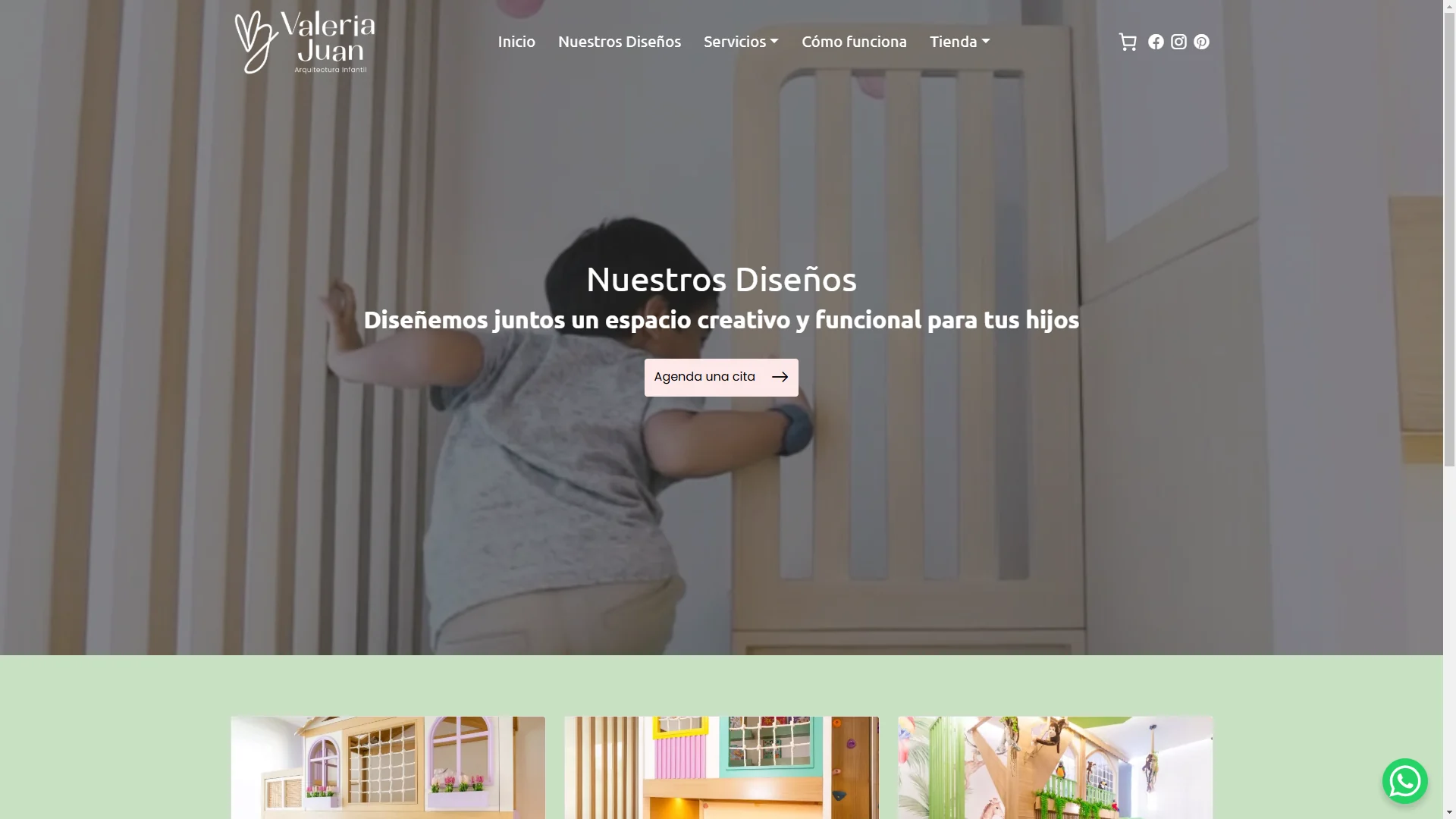
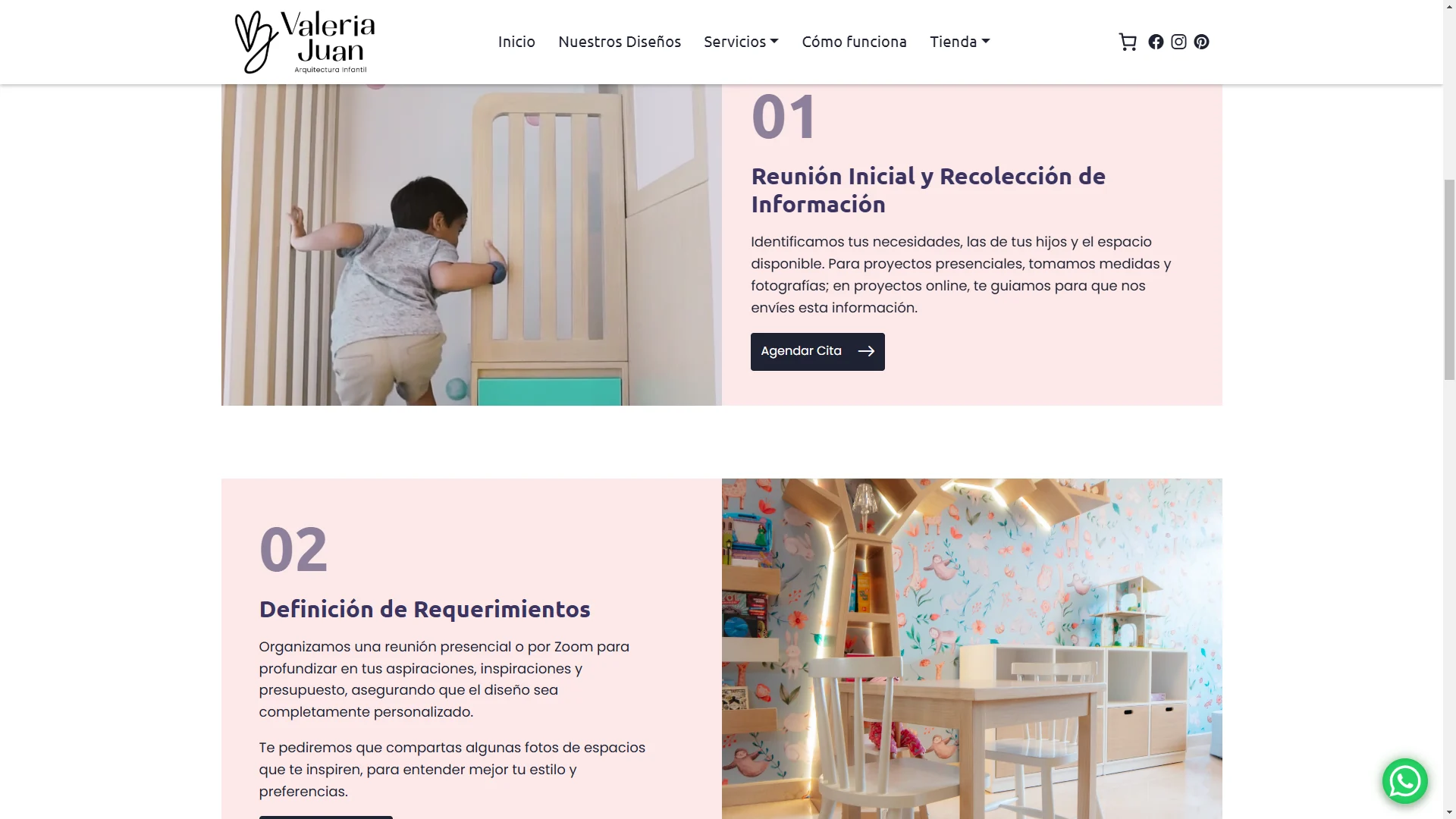
Historical screenshots are useful here because they show the ecommerce phase that is no longer represented by the current live site’s architecture-focused presentation.
06 / Results & delivery
The project delivered a combined portfolio-and-commerce structure, with ecommerce, project content and SEO operating inside the same responsive system.
The source case included sales, traffic and bounce-rate percentages without enough retained analytics context to verify them. The new version omits those numeric claims and clearly distinguishes the historical ecommerce phase from the current site.
Key takeaway
When a brand sells through inspiration, portfolio and commerce should not be designed as separate destinations. The useful connection is the path between them: see an outcome, understand the relevant product or service and then take the appropriate action.
Share the current website, the constraint and what needs to change.