Improve discovery
Organise products and categories so visitors can browse by relevance instead of scanning an undifferentiated catalogue.

Case study / Ecommerce & SEO
An archived ecommerce project organised around clearer product information, category browsing, educational content and an online purchase path.
01 / The brief
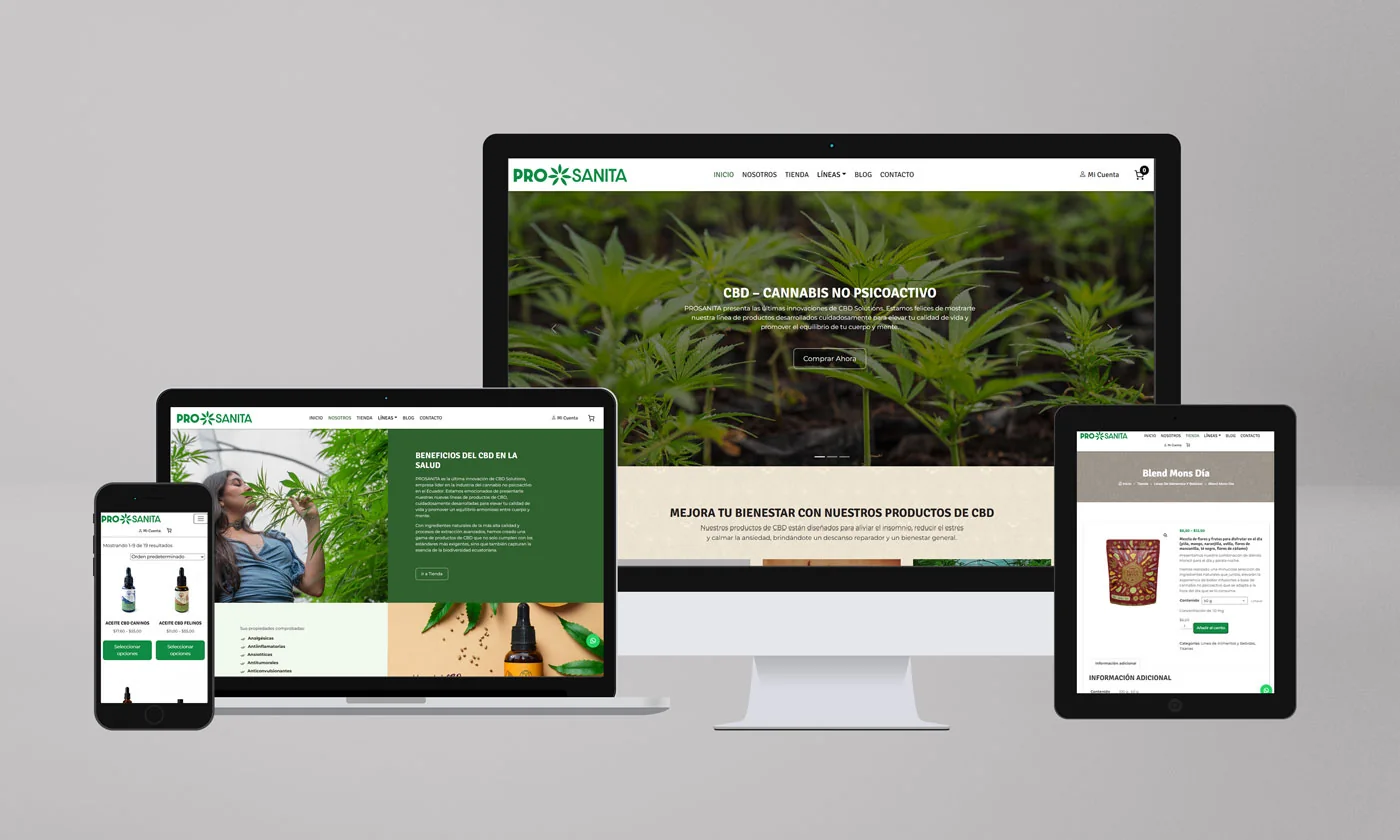
The documented Prosanita engagement focused on ecommerce development and SEO for a wellness-product catalogue. The project scope covered product presentation, online ordering, supporting content and technical optimisation.
This new case study deliberately describes the ecommerce and information architecture only. It does not repeat product health claims or imply medical outcomes.
02 / The challenge
Wellness catalogues can contain unfamiliar products that require clear categorisation and supporting information before a visitor is ready to purchase.
The site therefore needed to connect category browsing, product details, educational content and secure ordering while maintaining an SEO-ready structure.
Organise products and categories so visitors can browse by relevance instead of scanning an undifferentiated catalogue.
Support product pages with clear descriptions and editorial content without making unsupported claims.
Keep cart, checkout and payment paths understandable across desktop and mobile.
03 / The experience
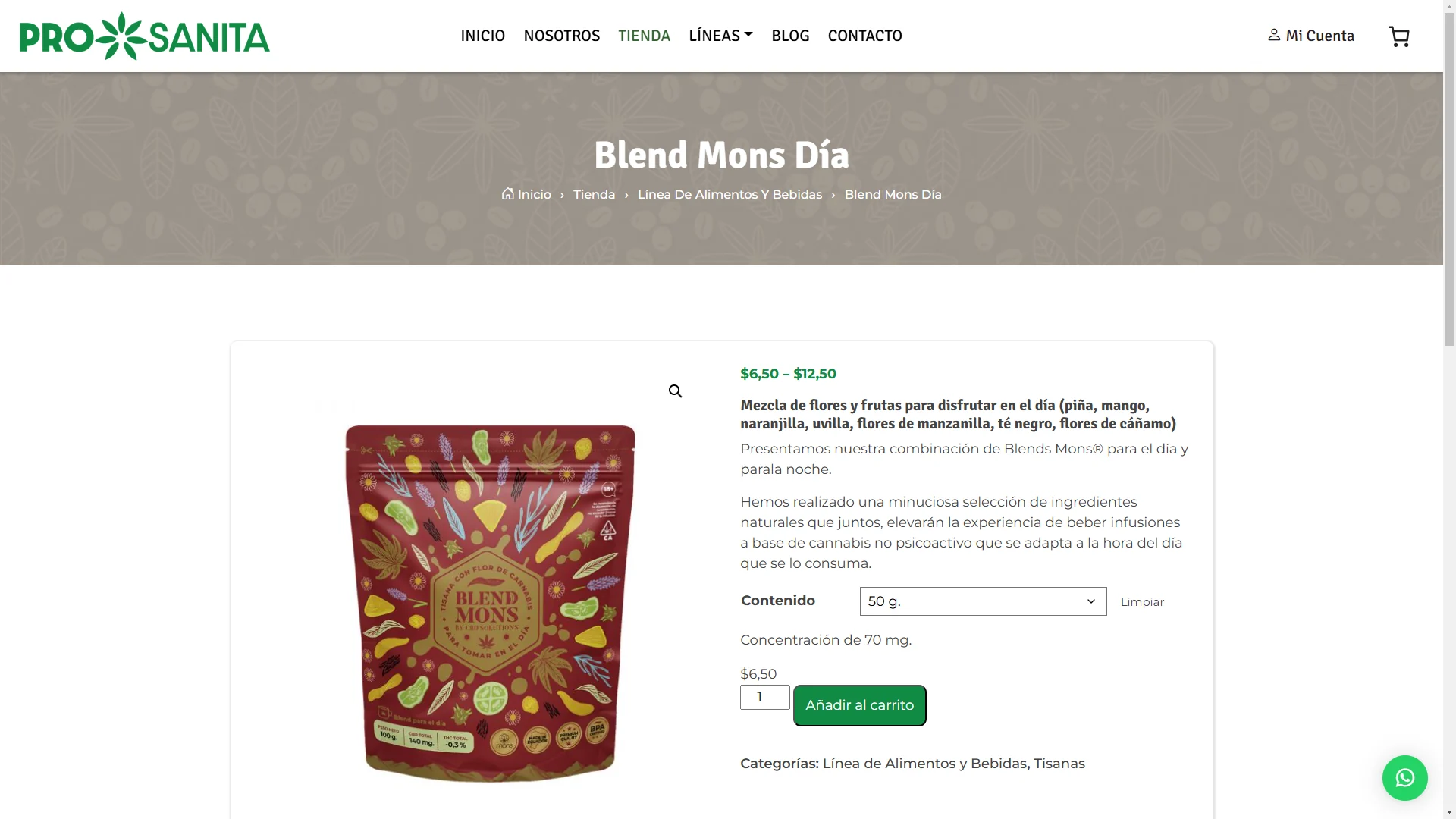
The ecommerce journey combines browsing, product context and educational content so the purchase path does not depend on a user already knowing the exact item name.
Use a clearer catalogue structure to help visitors narrow the product range.
Present descriptions and supporting information close to the item rather than relying on generic marketing copy.
Connect product selection to cart, checkout and secure online payment steps.
04 / The implementation
The original case documents ecommerce development, secure-payment functionality, product descriptions, an educational blog, SEO work and performance optimisation.
Because the original live URL could not be treated as reliable current evidence for this handoff, the project is positioned as an archive record and the historical assets remain the primary visual source.
05 / Evidence
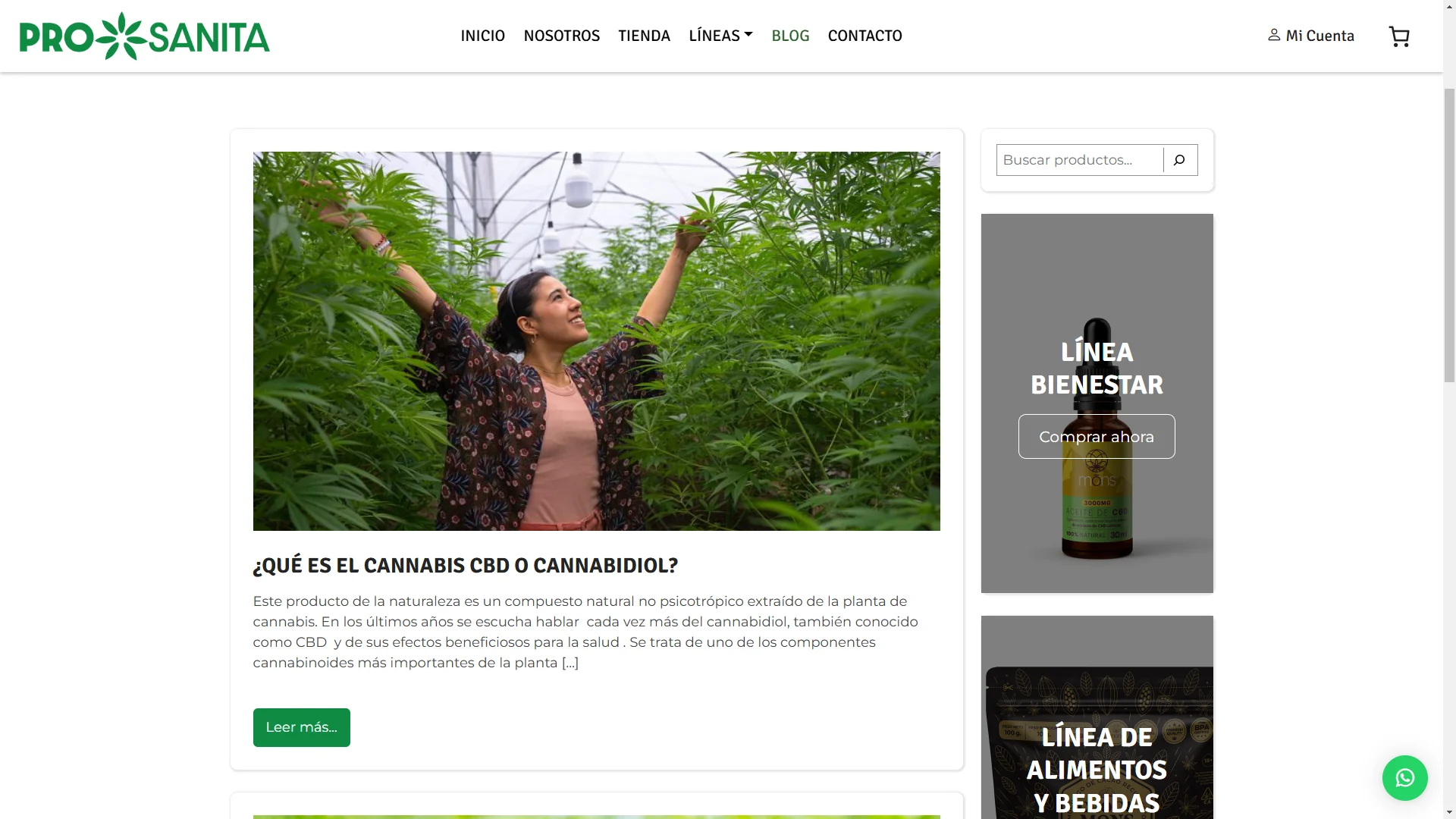
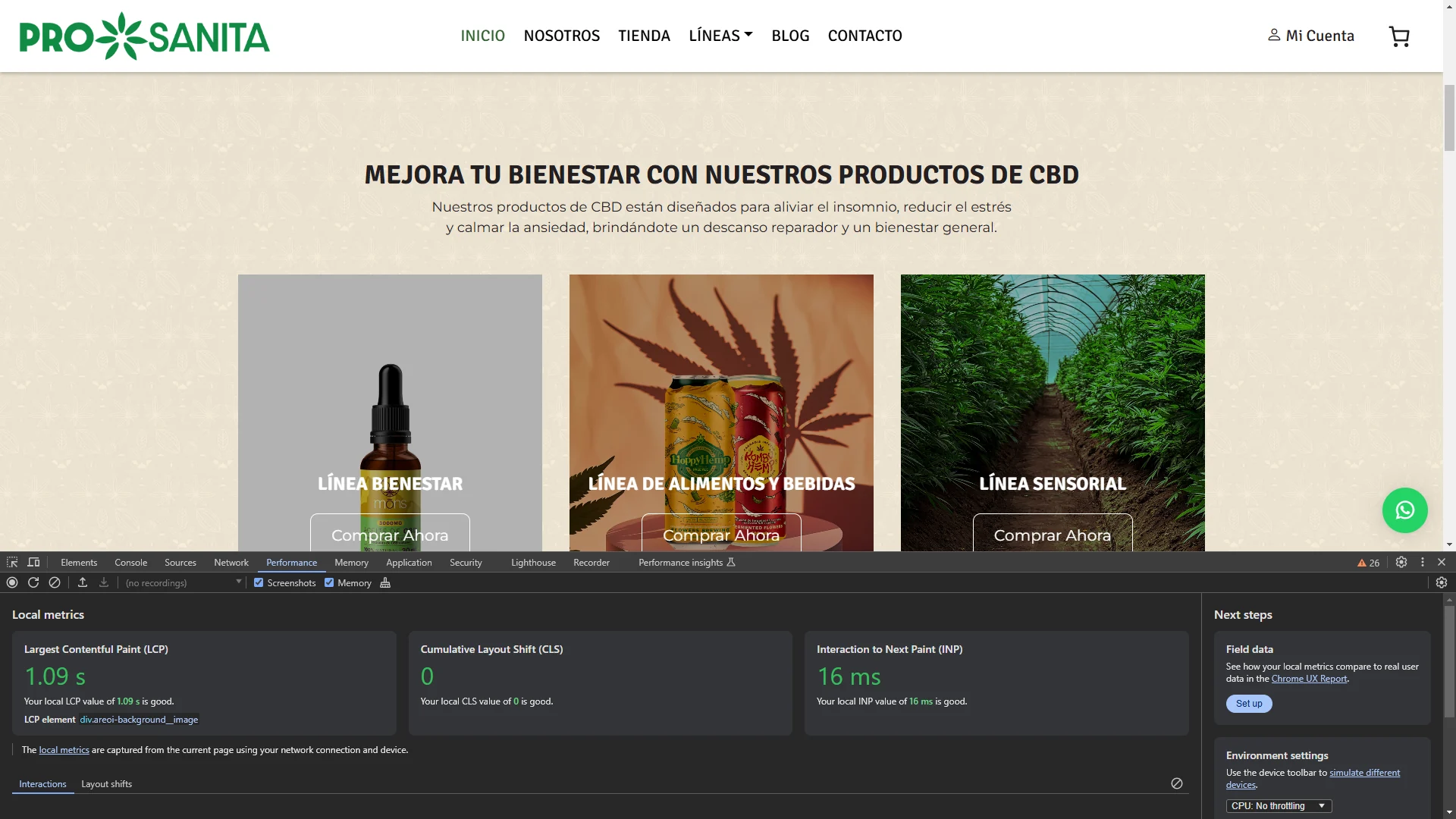
The original case retains screenshots of product and blog interfaces, making it possible to document how transactional and informational content worked together.
06 / Results & delivery
The project connected catalogue structure, product information, online ordering, editorial content and SEO foundations within one ecommerce platform.
The source case listed transaction, SEO and speed figures without enough preserved measurement context to verify them here. They are therefore omitted from the numeric results layer.
Key takeaway
Ecommerce discovery improves when product pages are not isolated from the information customers need to make a choice. Categories, descriptions and supporting content should work together, especially when the catalogue includes unfamiliar or comparison-heavy products.
Share the current website, the constraint and what needs to change.