INTENT
What the right prospect is actually trying to find.

SEO Services
Search visibility is not a single score or a list of keywords. Prysma connects search intent with content, information architecture and the technical conditions that help search engines understand the website.

intent → structure → evidence
queries · SERPs
hubs · internal links
scope · on-page
GSC · analytics
SEO before the checklist
Keyword research, content and technical fixes only become useful when each page has a clear search role. We start with intent, existing visibility and the offer, then align content, technical requirements and internal links.
Search system
Research becomes architecture, useful content and evidence — not a publishing quota.
Broad SEO vs Technical SEO
Broad SEO connects intent, content, on-page work, local relevance and ongoing prioritisation. Technical SEO focuses on the conditions that affect discovery, crawling, rendering, indexation and migrations.
What the right prospect is actually trying to find.
Which page should answer the query and how deeply.
Whether search engines can reach and interpret the page.
Whether the right canonical version is eligible to appear.
Redesign & migration
When a site is rebuilt, the migration plan should identify what already has value before the new templates are finalised.
Working evidence
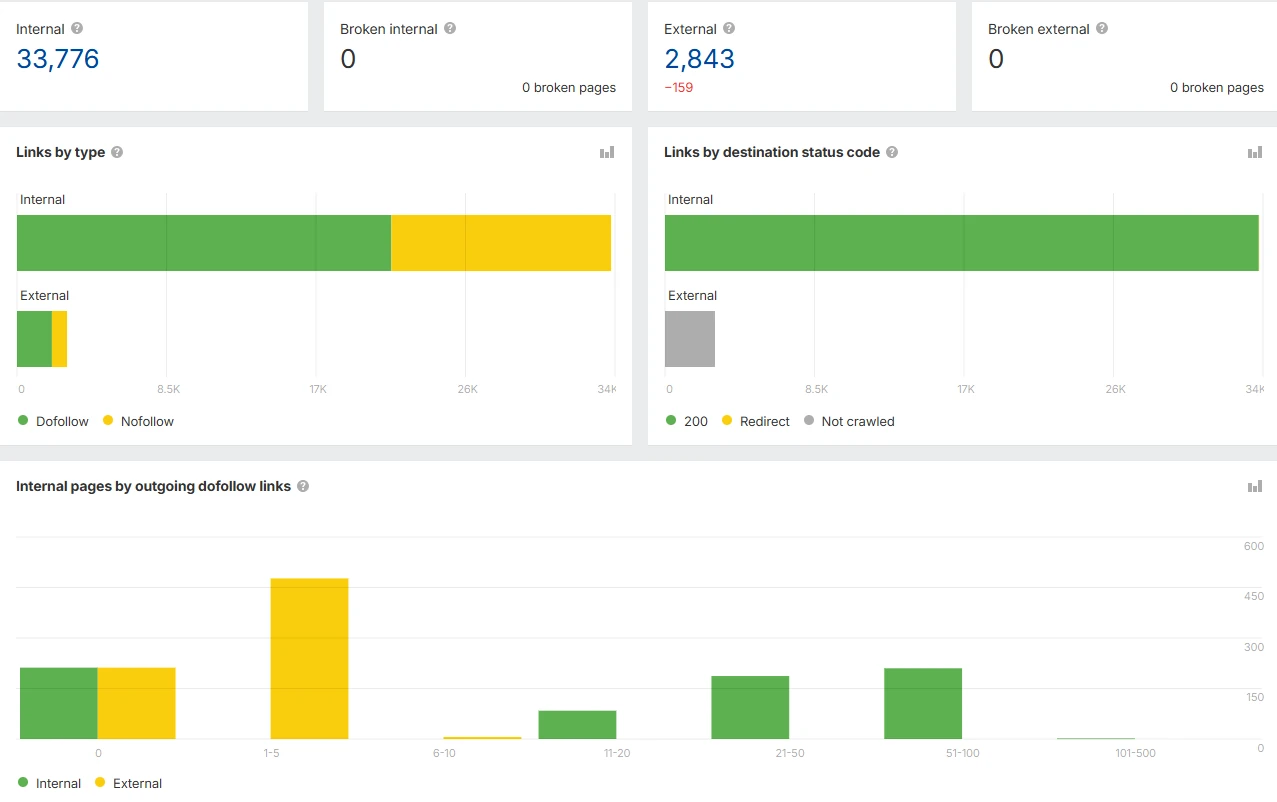
We review destinations, status codes and internal-link distribution to understand how pages connect.
Tools we work with
Ahrefs and Semrush support search, competitor and backlink research. On WordPress, AIOSEO or Yoast bring SEO settings into the editorial workflow. Tools are selected for the project.




FAQ
There is no responsible universal timeframe. Existing authority, competition, crawl/indexation, content quality and the scope of change all affect how quickly meaningful signals appear.
Technical work can be part of the broader SEO scope, but significant crawl, rendering, indexation or migration work is scoped explicitly through Technical SEO.
No. Prysma can improve the quality of the search system and implementation, but rankings depend on factors beyond a single supplier’s control.
Next step
Share the current site, market and the organic-search constraint you are trying to understand.